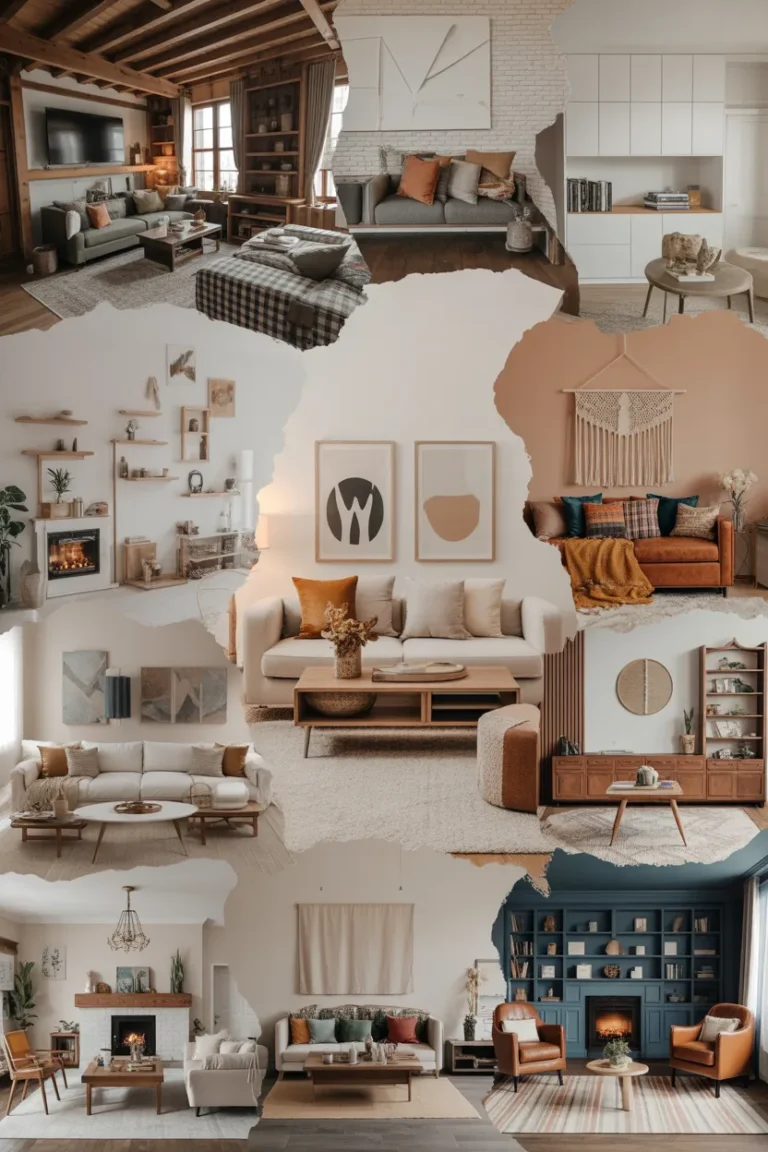
27 Family Room Ideas You’ll Wish You Tried Sooner (So Good!)
There’s this moment that happens in almost every home—you sit down in your family room after a long day, look around, and something just feels… off. Not terrible. Not broken. Just not you. Maybe the couch feels disconnected from everything else, or the space looks fine but doesn’t feel inviting.
That’s exactly where most people get stuck. The good news? A few intentional changes can completely shift how your space feels and functions. These family room ideas aren’t about perfection—they’re about creating a room that feels lived-in, warm, and honestly… a little irresistible.
Let’s get into the ideas you’ll probably want to try this weekend
1. Cozy Neutral Layers That Feel Like a Warm Hug
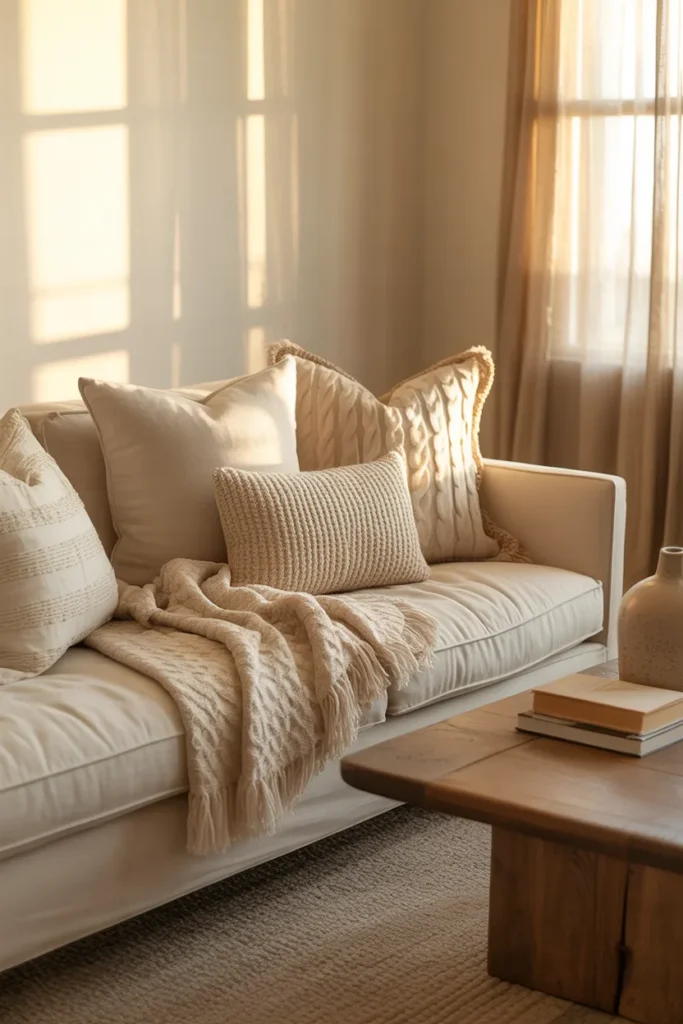
Picture soft beige cushions piled casually on a slightly oversized sofa, a textured throw draped just enough to look effortless, and a muted rug grounding everything. The whole room feels calm, like it’s exhaling.
Neutrals work because they don’t compete. Instead, they let textures do the talking—linen, boucle, soft wool. If your family room gets natural light, these tones glow beautifully during the day.
Want to switch things up? Add one darker accent—like a mocha ottoman—to anchor the space.
How to Style
- Layer 2–3 different fabrics (linen + knit + velvet)
- Place a floor lamp slightly behind the sofa for soft evening light
- Use off-white, not stark white, for a warmer feel
- Add a low wooden coffee table to balance the softness
2. Dark Green Accent Wall That Feels Rich and Grounded
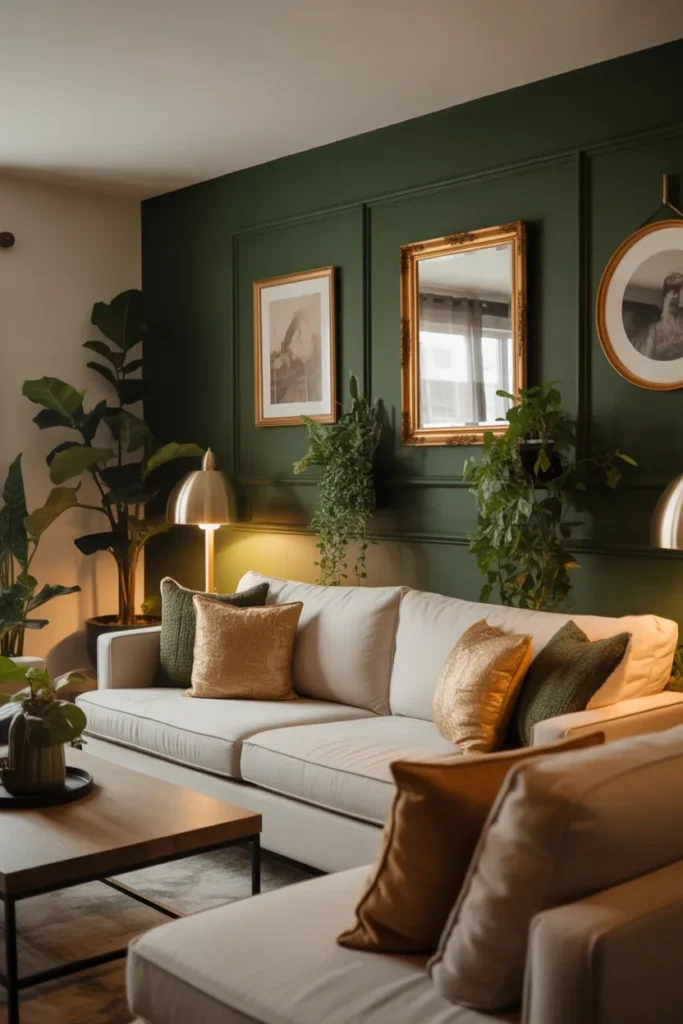
Ever noticed how some rooms instantly feel more “put together”? A deep green wall can do that.
It creates depth without overwhelming the room, especially behind a sofa or TV unit. Pair it with warm wood tones and brass accents, and suddenly your space feels intentional.
If you’re nervous, start with one wall—usually the one your couch faces.
How to Style
- Use matte paint for a softer, less reflective finish
- Add gold or brass frames for contrast
- Keep furniture lighter (cream, tan, light wood)
- Place a tall plant in the corner to blend tones
3. Oversized Sectional That Everyone Fights Over
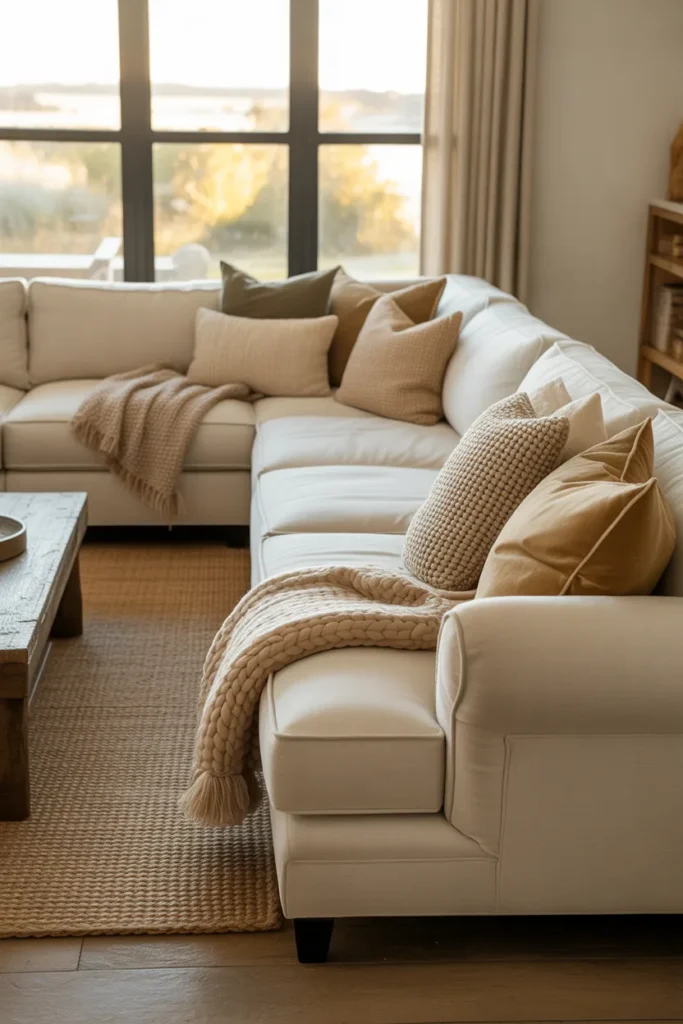
Let’s be honest—no one ever complains about too much seating.
An oversized sectional instantly makes your family room feel like the place to be. It defines the layout and creates a natural gathering zone.
The key is placement. Float it slightly away from the wall if possible—it makes the room feel bigger.
How to Style
- Choose a neutral base so it doesn’t dominate
- Add a chunky knit throw on one corner
- Use a large rug that extends under all legs
- Keep side tables within arm’s reach
4. Built-In Shelves That Feel Collected, Not Cluttered
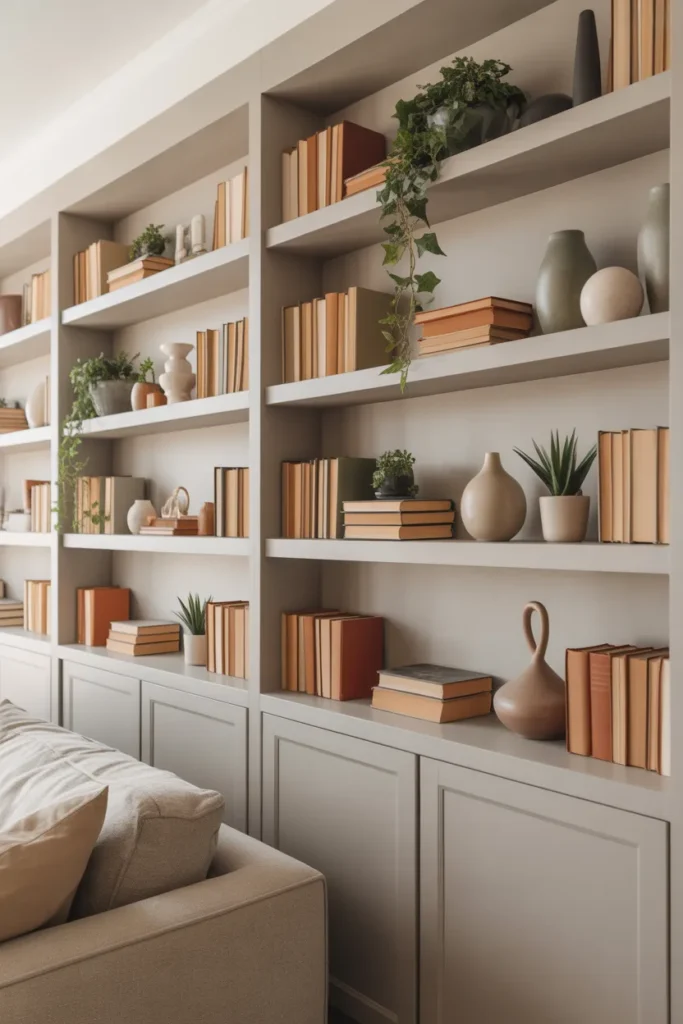
You know those shelves that look styled but not staged? That’s the goal.
Built-ins add character and storage, but the magic is in how you style them—books stacked horizontally, a few ceramics, maybe a framed photo.
Avoid filling every inch. Negative space matters.
How to Style
- Mix vertical and horizontal book stacks
- Use odd-number groupings (3 or 5 items)
- Add one trailing plant for softness
- Keep color palette consistent
5. Statement Rug That Instantly Pulls Everything Together
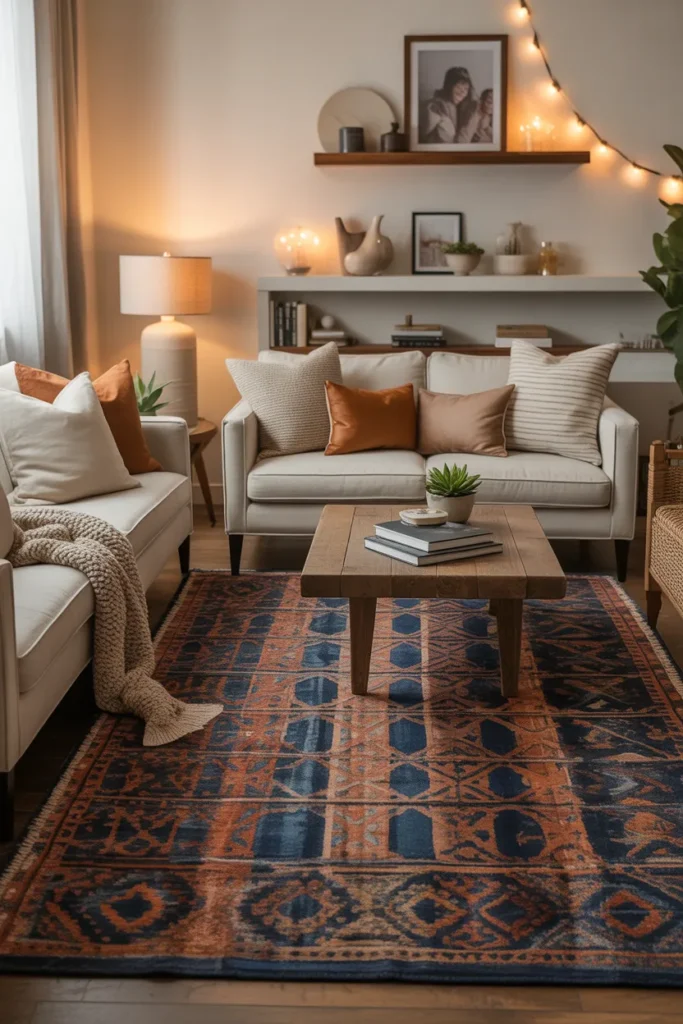
A rug can either disappear… or completely define the room.
Go for something bold—maybe a vintage pattern or subtle geometric design. It should feel like it belongs under your furniture, not just floating in the middle.
Too small rugs are the most common mistake here.
How to Style
- Ensure front legs of the furniture sit on the rug
- Choose patterns that hide everyday wear
- Layer a smaller rug on top for texture
- Keep colors tied to your cushions or art
6. Soft Lighting That Changes the Mood at Night
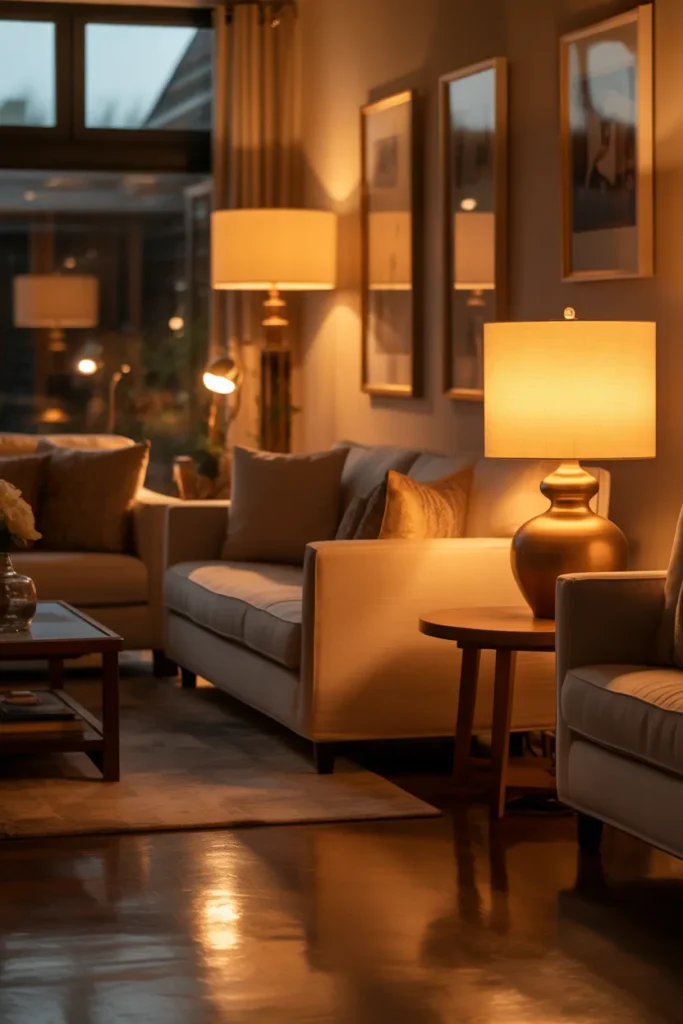
Overhead lighting alone? It’s harsh. And honestly, a little boring.
Layered lighting—table lamps, floor lamps, maybe a wall sconce—creates pockets of warmth. At night, your family room should feel completely different than during the day.
Think cozy corners, not spotlight brightness.
How to Style
- Use warm bulbs (2700K–3000K)
- Place a lamp beside the sofa for reading
- Add a dimmer if possible
- Use fabric shades for a softer glow
7. Gallery Wall That Feels Personal, Not Perfect
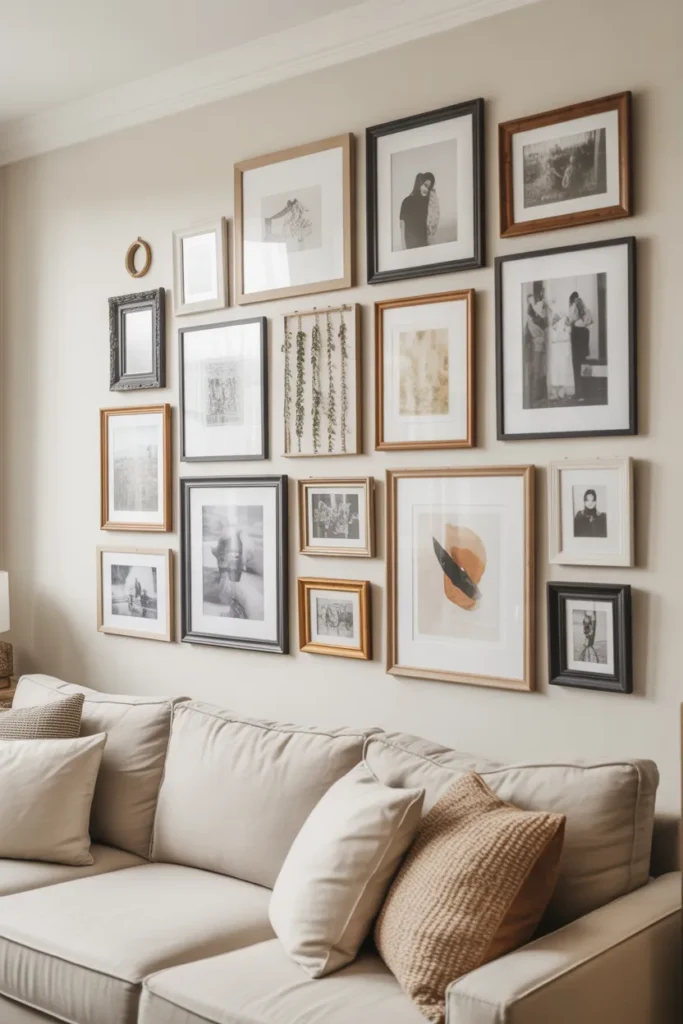
This one’s for people who like a bit of personality on their walls.
A gallery wall doesn’t need to be symmetrical. In fact, it’s better when it’s not. Mix photos, prints, and maybe even a small mirror.
Start from the center and build outward.
How to Style
- Stick to a color theme for cohesion
- Use matching frames for a cleaner look
- Lay everything on the floor first before hanging
- Keep spacing consistent (about 2–3 inches)
8. Coffee Table Styling That Looks Effortless
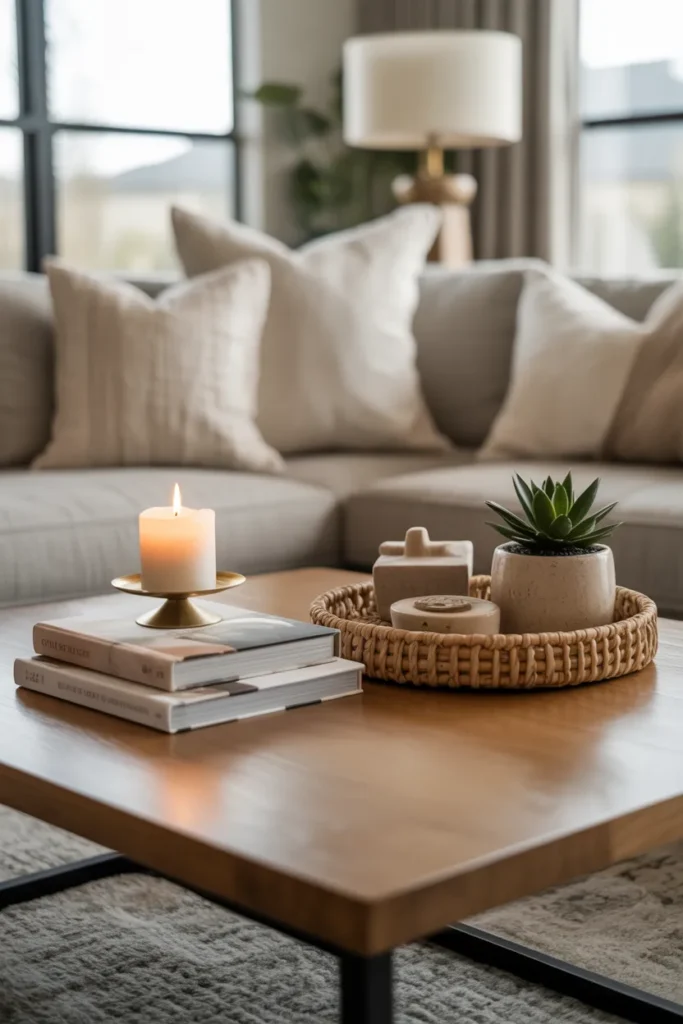
A bare coffee table feels unfinished. But an overcrowded one? Stressful.
Aim for balance—a stack of books, a small tray, maybe a candle. Leave space for actual use (because life happens here).
How to Style
- Use the “rule of three.”
- Add one organic element (like a plant or flowers)
- Keep height variation (low + medium objects)
- Place items slightly off-center
9. Layered Curtains That Make Windows Feel Bigger
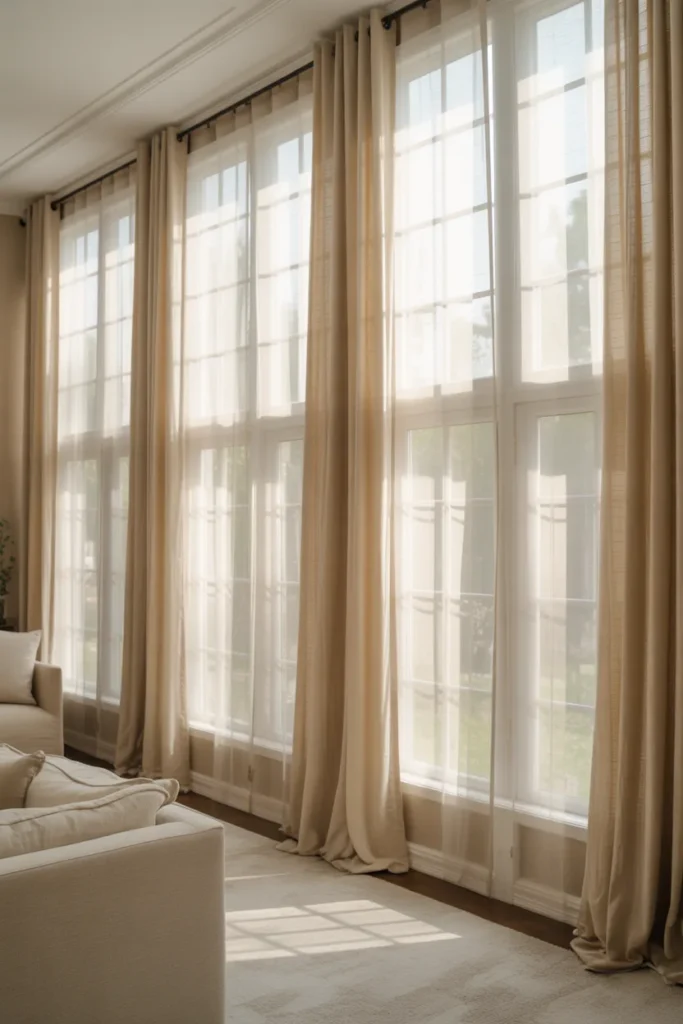
Thin sheer curtains paired with heavier drapes? Game changer. They add depth and make your windows look taller—especially if you hang them closer to the ceiling.
It’s a small detail that shifts the entire room.
How to Style
- Extend curtain rods wider than the window
- Use floor-length panels
- Stick to light neutrals for versatility
- Add blackout layer if needed
10. Fireplace Focal Point That Anchors the Room
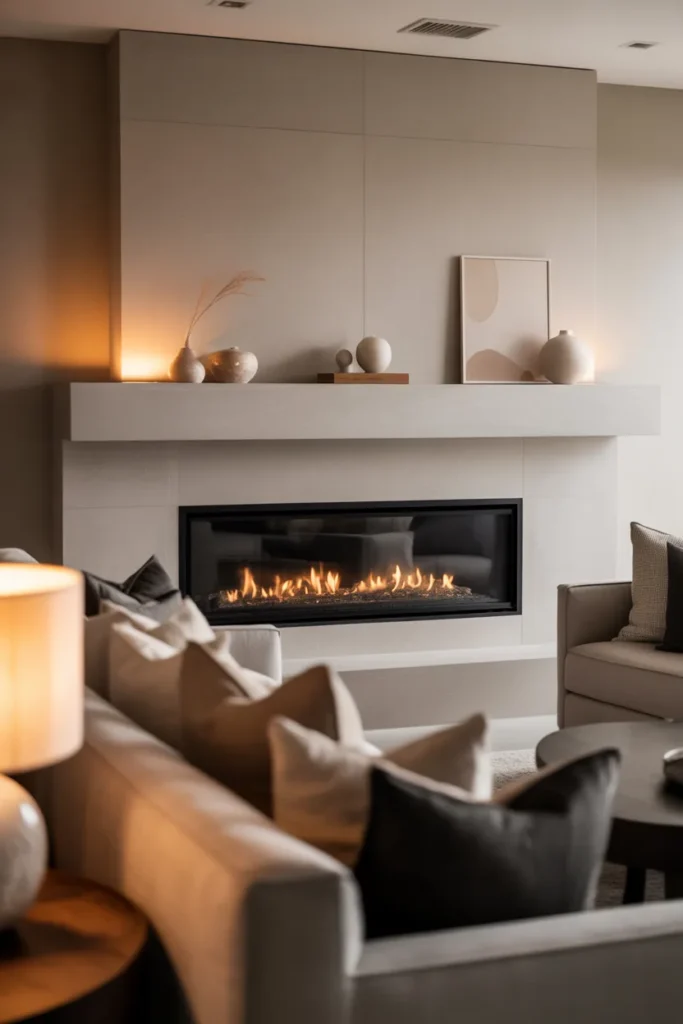
If you have a fireplace, it should be the star—not an afterthought. Arrange seating around it, not away from it. Even a simple mantel with a few curated pieces can make a big impact.
How to Style
- Keep mantel decor minimal (3–5 items)
- Add a mirror or artwork above
- Place chairs angled toward the fireplace
- Use a textured hearth rug
11. Mixed Textures That Feel Interesting Without Being Loud
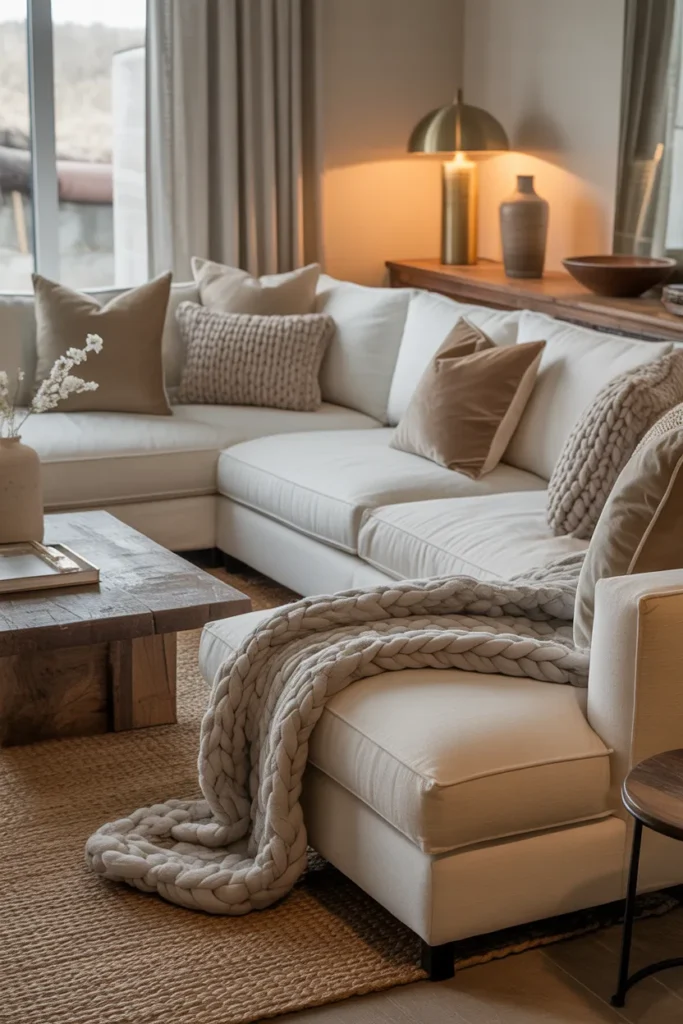
Here’s the thing—color isn’t the only way to create depth. Mixing textures (wood, metal, fabric, glass) adds subtle richness. It keeps the room from feeling flat.
How to Style
- Pair smooth surfaces with rough ones
- Add woven baskets for storage
- Use a mix of matte and glossy finishes
- Include at least one natural material
12. Minimalist Layout That Feels Open and Calm
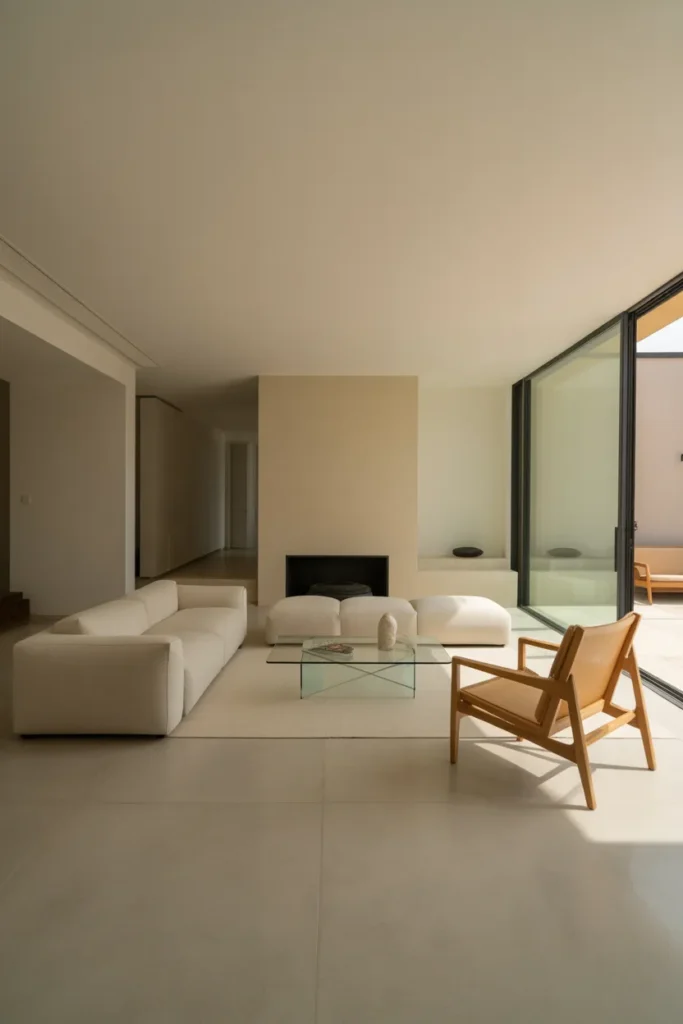
Not every family room needs to be full. A more minimal setup—just a sofa, a chair, and a table—can feel refreshing, especially in smaller spaces.
How to Style
- Keep furniture low-profile
- Use fewer but larger pieces
- Stick to a tight color palette
- Leave breathing room between items
13. Warm Wood Tones That Make Everything Feel Inviting
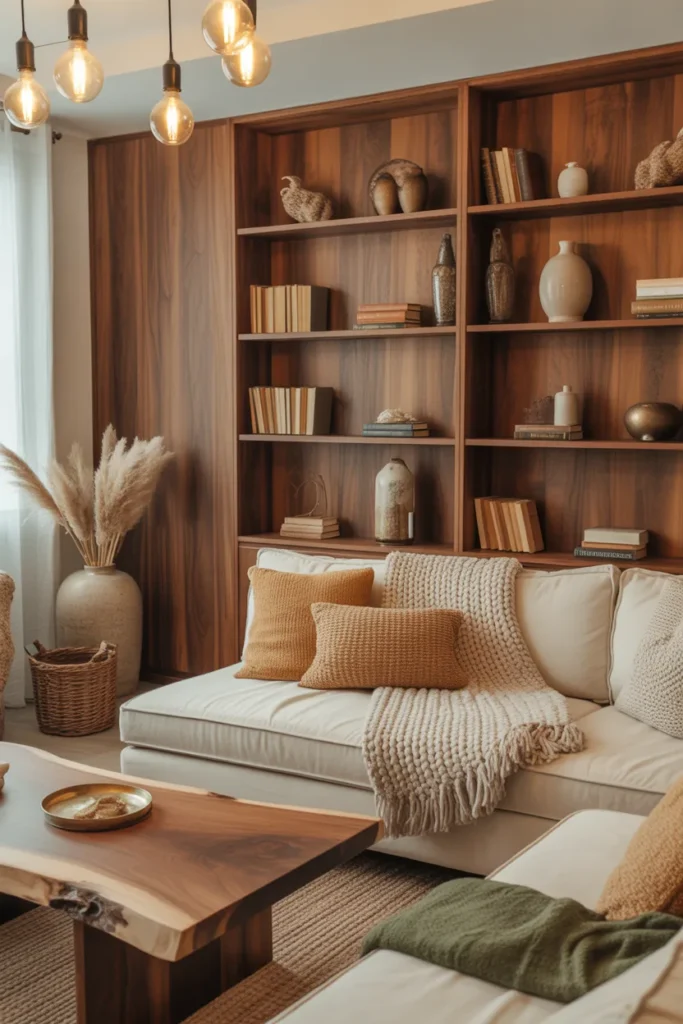
There’s something about wood that instantly softens a room. Whether it’s a coffee table, shelving, or even beams, warm tones create that lived-in feeling.
How to Style
- Mix light and medium wood finishes
- Add a wooden tray or bowl
- Pair with soft textiles
- Avoid overly glossy finishes
14. Pops of Black That Add Instant Contrast
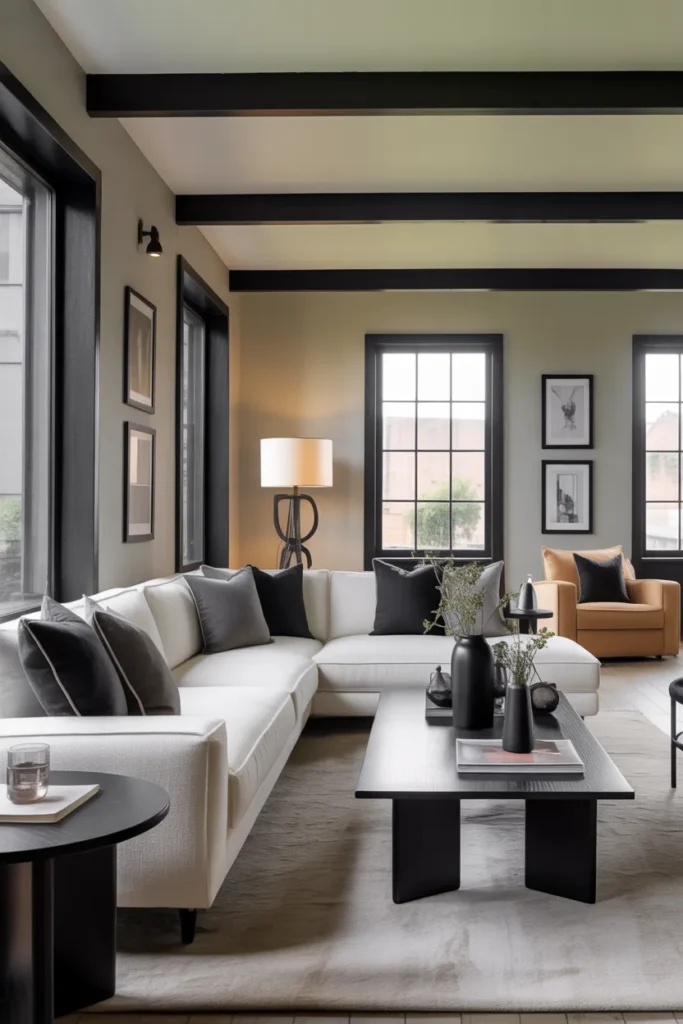
A little black goes a long way. Think picture frames, lamp bases, or a thin metal table. It sharpens the entire look.
How to Style
- Use black in small, repeated touches
- Pair with lighter backgrounds
- Avoid overdoing it
- Balance with warm elements
15. Cozy Reading Corner You’ll Actually Use
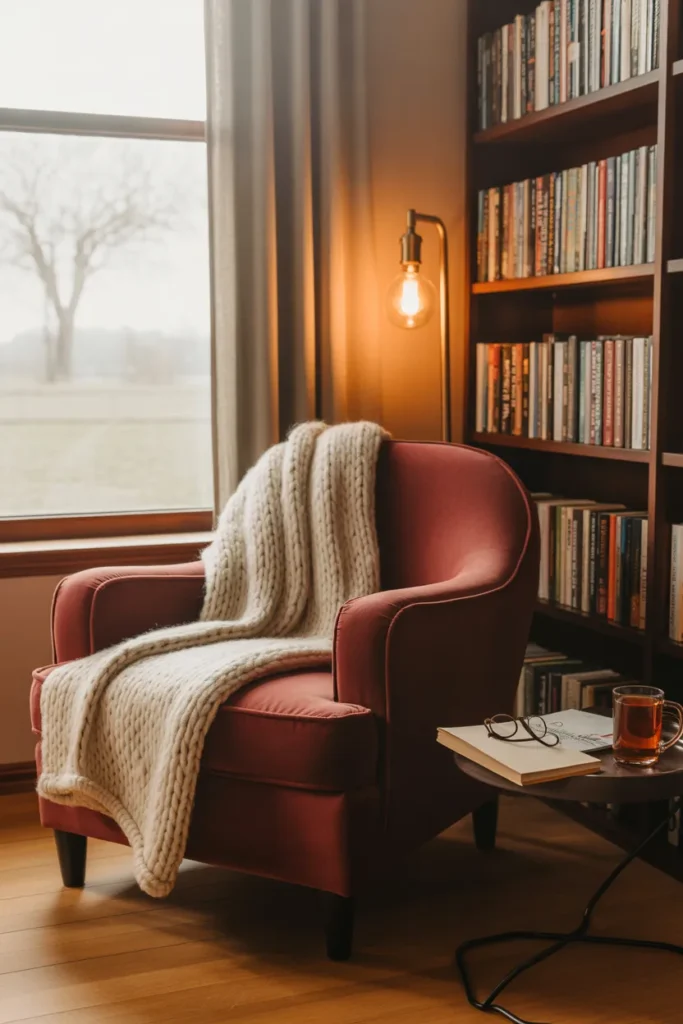
Imagine a chair tucked near a window, a soft throw, and a small lamp glowing beside it. It’s not just decor—it’s a lifestyle upgrade.
How to Style
- Use a comfortable armchair
- Add a small side table for books
- Place near natural light if possible
- Include a floor lamp for evenings
16. Large Wall Art That Makes a Statement
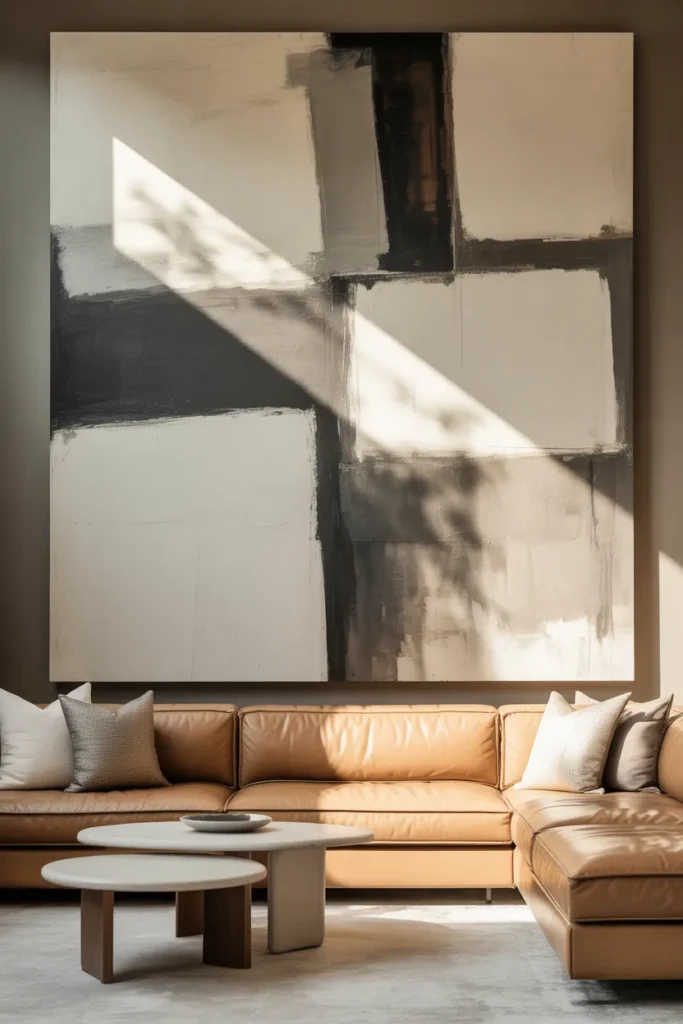
Instead of multiple small pieces, go big. One large artwork can anchor the room and simplify your styling decisions.
How to Style
- Center above the sofa
- Keep the frame simple
- Match tones with cushions or rug
- Hang at eye level
17. Multi-Functional Furniture That Saves Space
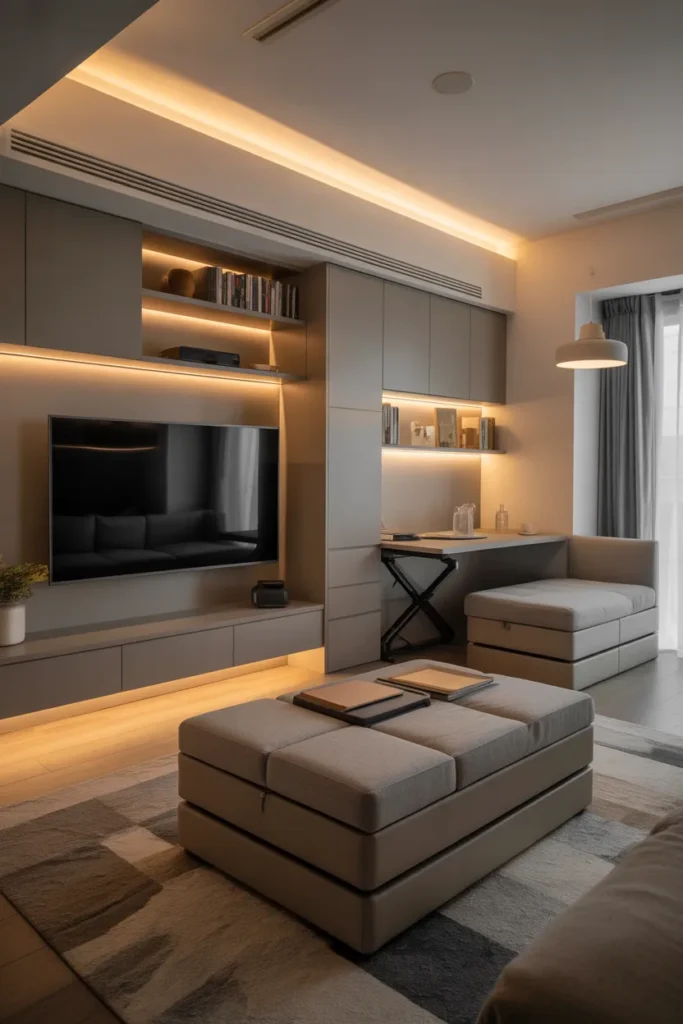
Storage ottomans, nesting tables, and benches—these pieces work harder for you. Perfect for smaller family rooms or busy households.
How to Style
- Choose pieces with hidden storage
- Keep designs simple
- Place an ottoman in front of the sofa
- Use trays to convert surfaces
18. Soft Color Palette That Feels Calm and Airy
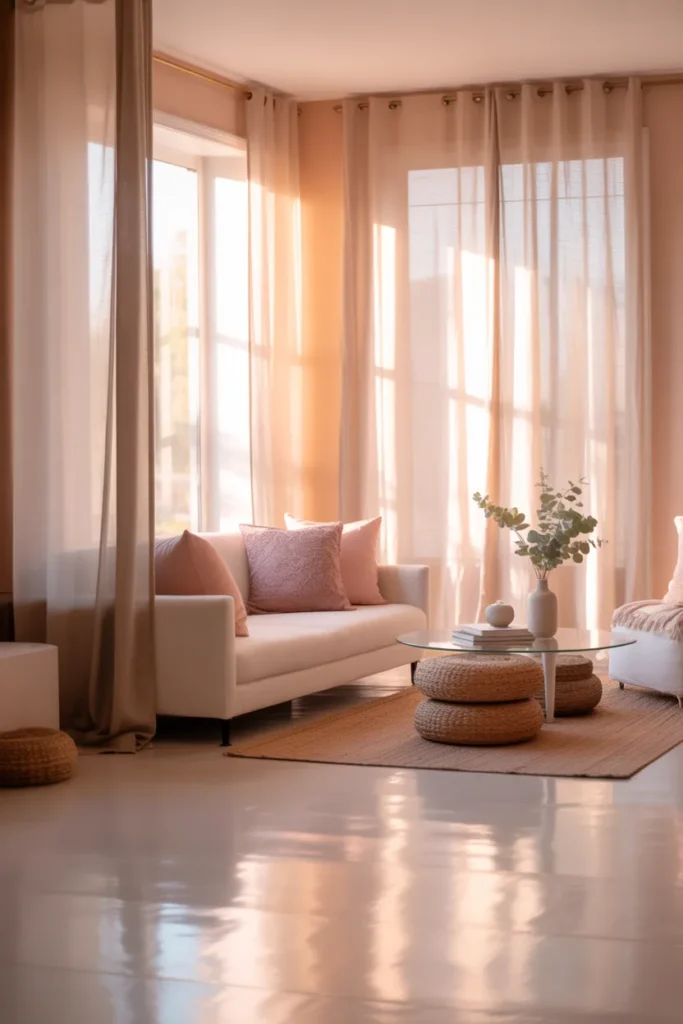
Soft blues, warm whites, muted greens—they create a relaxed vibe. Perfect if your goal is a peaceful, everyday space.
How to Style
- Stick to 2–3 main colors
- Use lighter shades on larger items
- Add texture for interest
- Keep accents subtle
19. Layered Rugs That Add Depth and Style
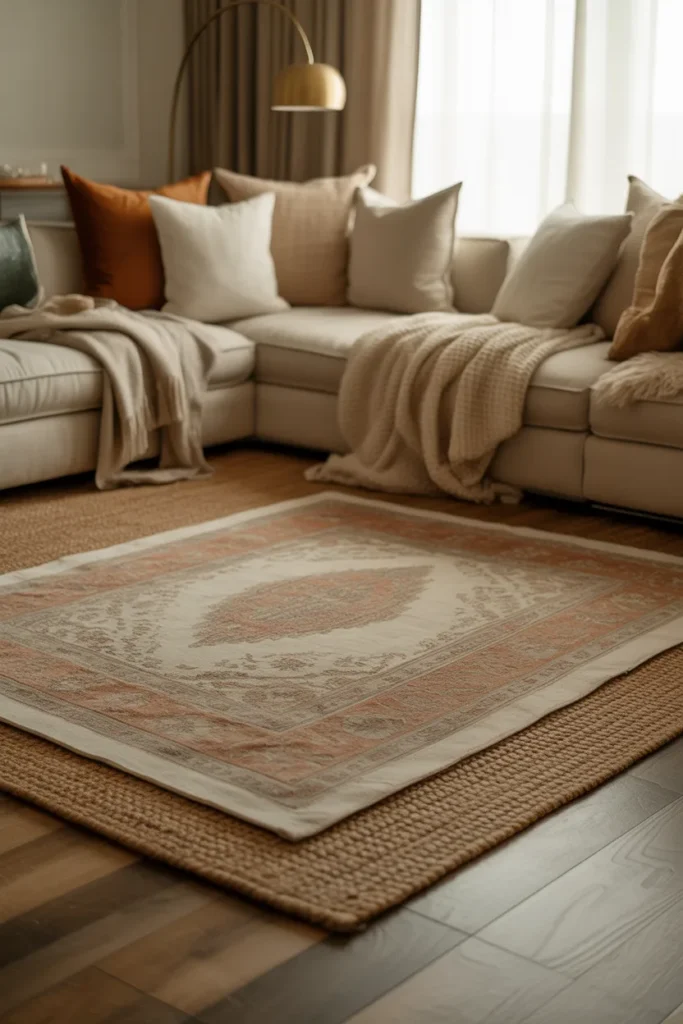
Layering rugs isn’t just trendy—it’s practical too. It adds warmth and dimension, especially on hard floors.
Styling Tips / Ideas / How to Style
- Use a large neutral base rug
- Layer a smaller patterned rug on top
- Keep edges visible
- Align with furniture placement
20. Indoor Plants That Bring the Room to Life
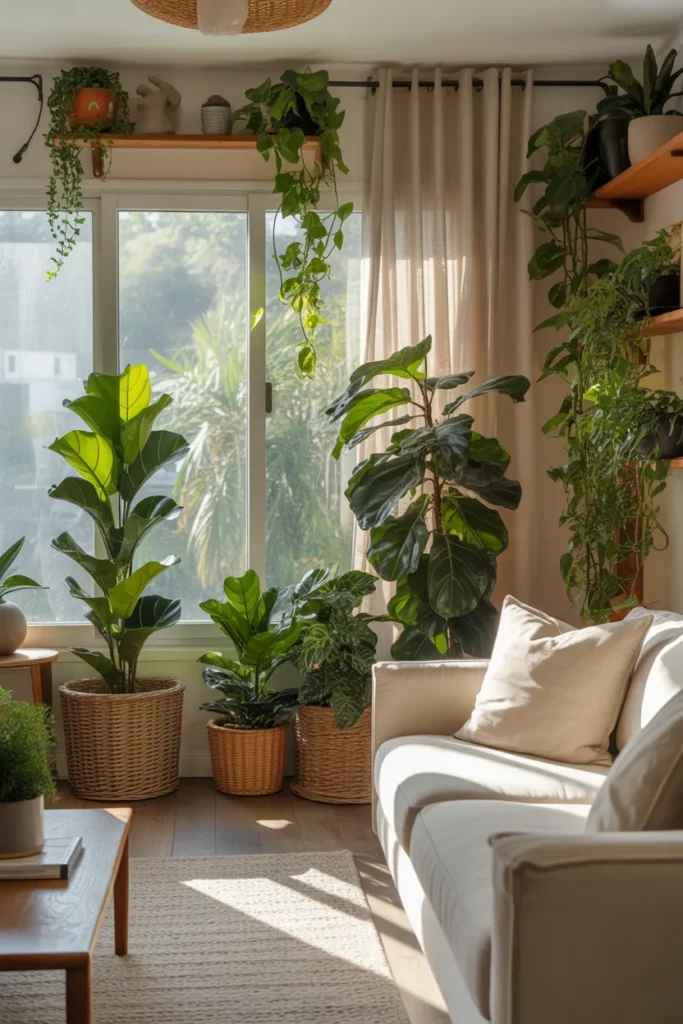
Honestly, every room feels better with a little green. Plants add freshness and soften hard edges.
How to Style
- Use a mix of tall and small plants
- Place near windows
- Add woven or ceramic pots
- Keep maintenance in mind
21. Symmetrical Layout That Feels Balanced
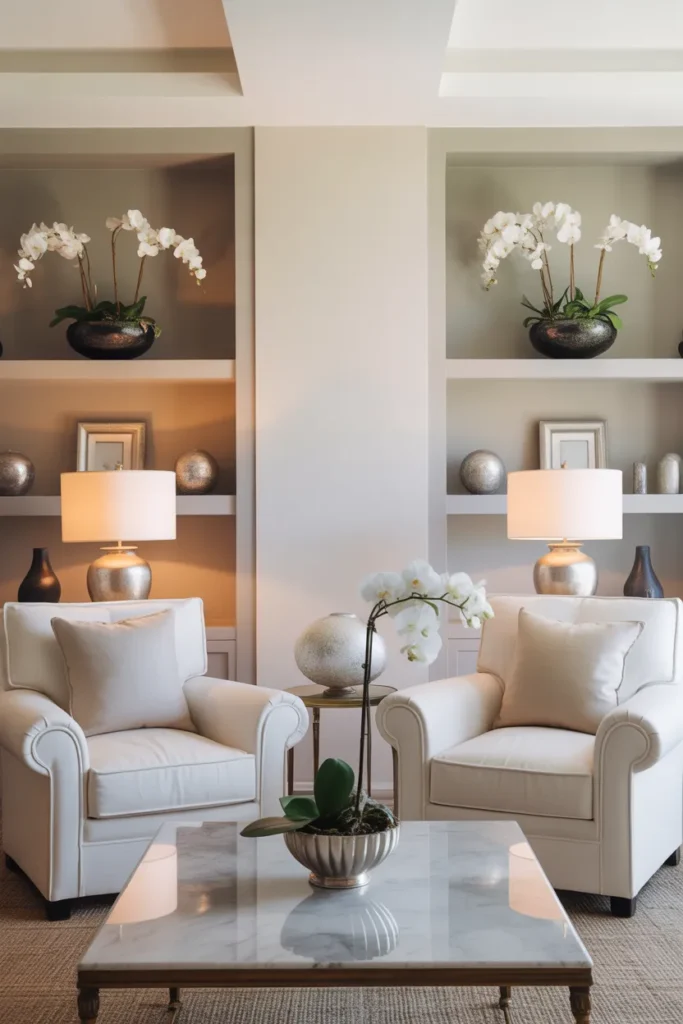
If your space feels chaotic, symmetry can fix that fast. Matching chairs, balanced decor—it creates order.
How to Style
- Use pairs (lamps, chairs, pillows)
- Center around a focal point
- Keep spacing even
- Avoid overcrowding
22. Statement Lighting That Steals the Show
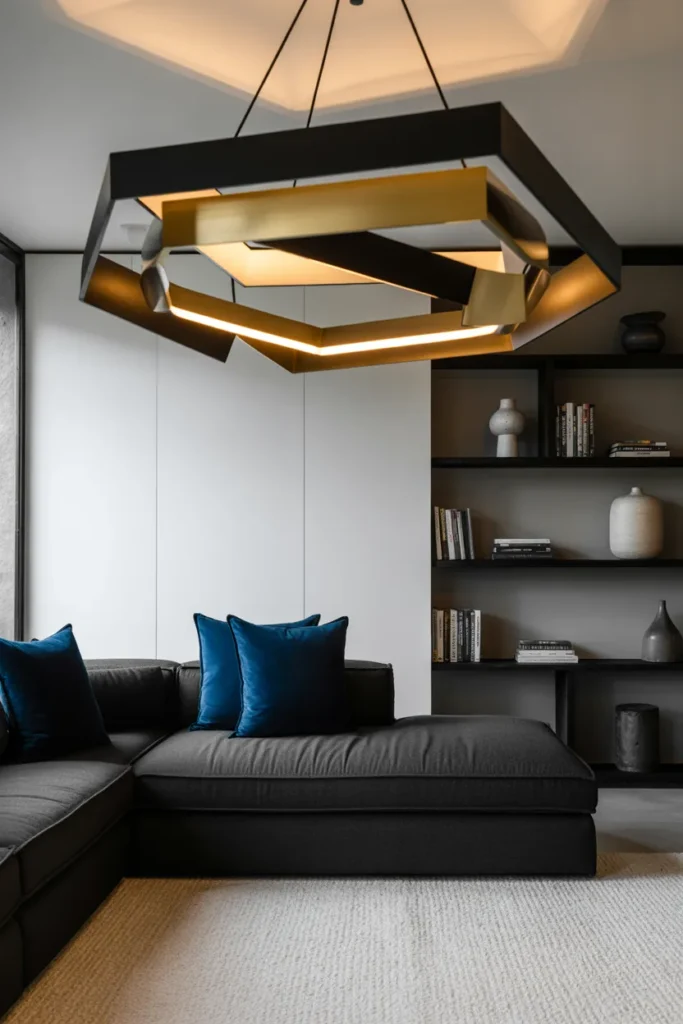
A bold light fixture can change everything. It draws the eye upward and adds personality.
How to Style
- Choose a size that fits the room
- Center above seating area
- Keep other decor minimal
- Use warm lighting
23. Textured Wall Panels That Add Subtle Drama
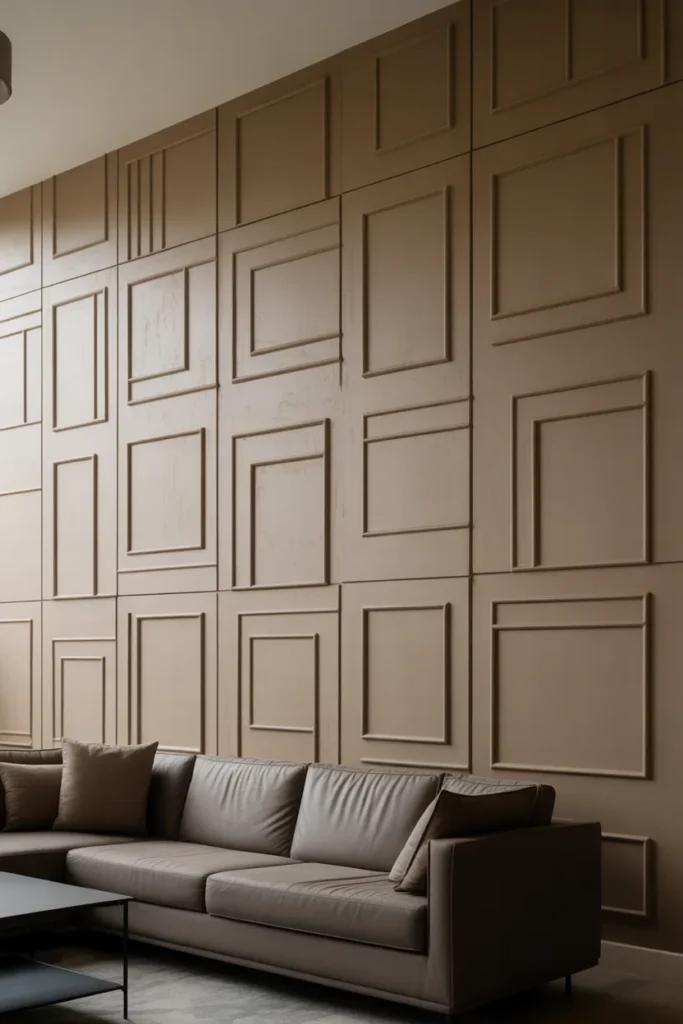
Wall panels add depth without needing color. They’re especially beautiful behind a sofa or TV.
How to Style
- Paint panels same color as wall
- Keep lines clean and simple
- Add soft lighting nearby
- Pair with minimal decor
24. Casual Throw Blanket Styling That Looks Lived-In
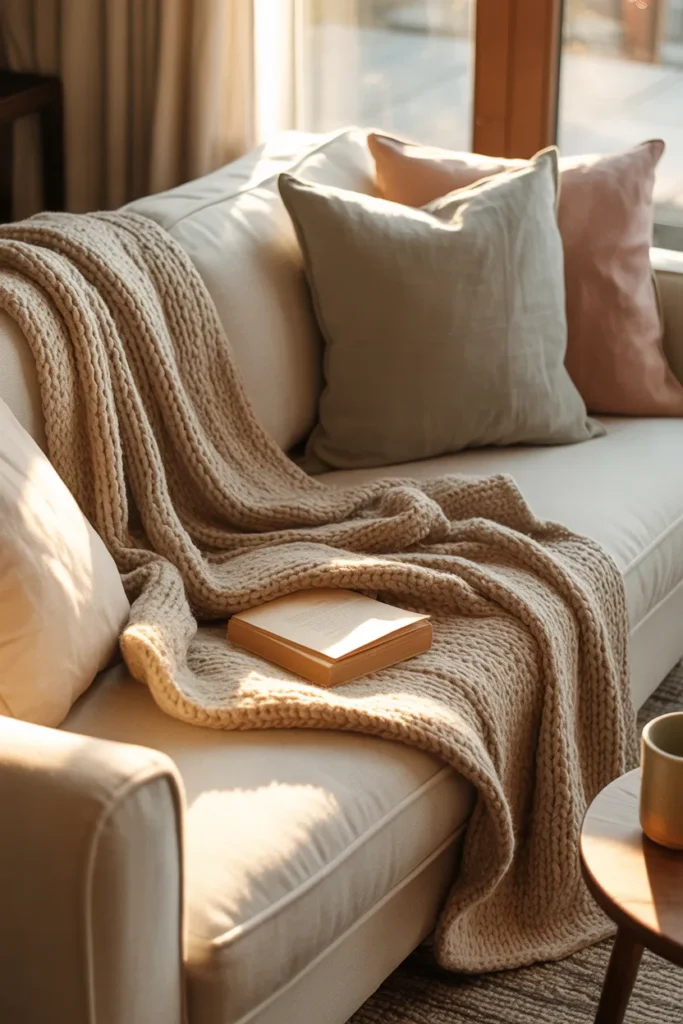
Not perfectly folded. Not staged. Just casually draped over a corner—it feels real.
How to Style
- Use soft, oversized throws
- Drape over arm or corner of sofa
- Mix textures
- Stick to neutral tones
25. Open Shelving That Feels Light and Airy
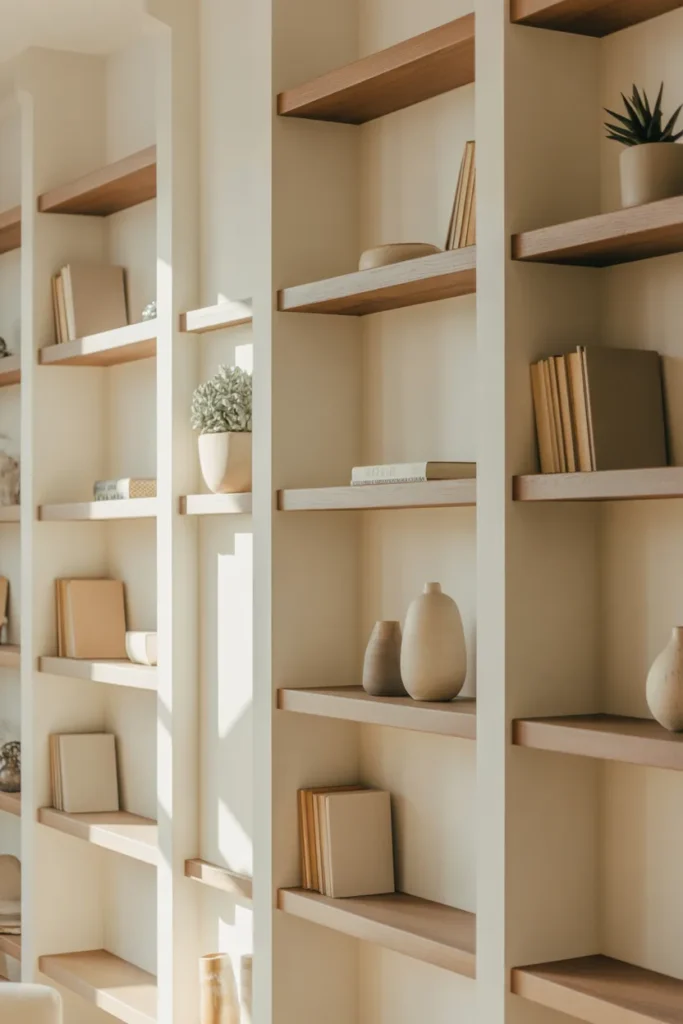
Unlike heavy cabinets, open shelves keep things visually light. But styling matters—less is more.
How to Style
- Use a consistent color palette
- Leave empty space
- Mix decor and functional items
- Keep things organized
26. Accent Chairs That Add Personality
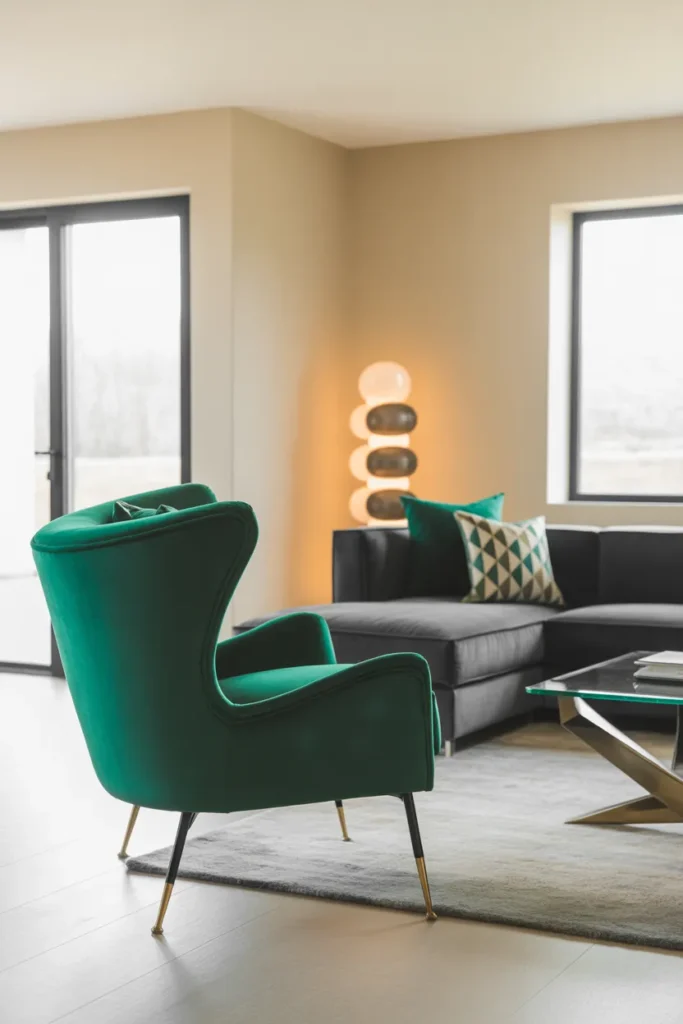
A bold chair can completely shift your room’s vibe. Think about different fabrics, colors, or shapes.
How to Style
- Place at an angle near the sofa
- Add a small side table
- Use as a contrast piece
- Keep the scale balanced
27. Personal Touches That Make It Truly Yours
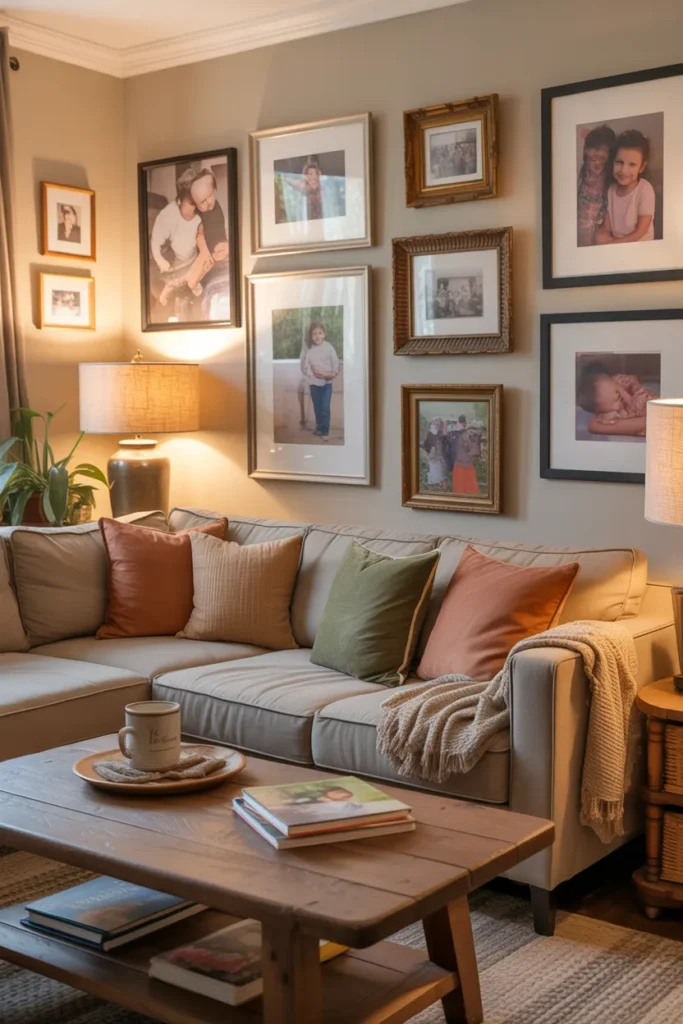
At the end of the day, this matters most. Photos, souvenirs, meaningful pieces—they turn a styled room into a lived-in one.
How to Style
- Display a few personal items
- Rotate decor seasonally
- Avoid overloading surfaces
- Mix with neutral pieces
Final Words
Here’s the thing—there’s no single “perfect” way to design a family room. Some people love clean and minimal, others want cozy and layered. Most of us fall somewhere in between.
The best approach? Pick one or two ideas from this list and try them out. Rearrange your layout. Swap a rug. Add a lamp. Small shifts can completely change how your space feels.
And honestly, once you start, it’s hard to stop.
Quick Recap
- Layer neutrals and textures for a cozy base
- Use lighting to completely change the mood
- Choose one statement piece (rug, art, or sofa)
- Mix function with style using smart furniture
- Add personal touches to make it feel real
- Don’t overcrowd—leave space to breathe